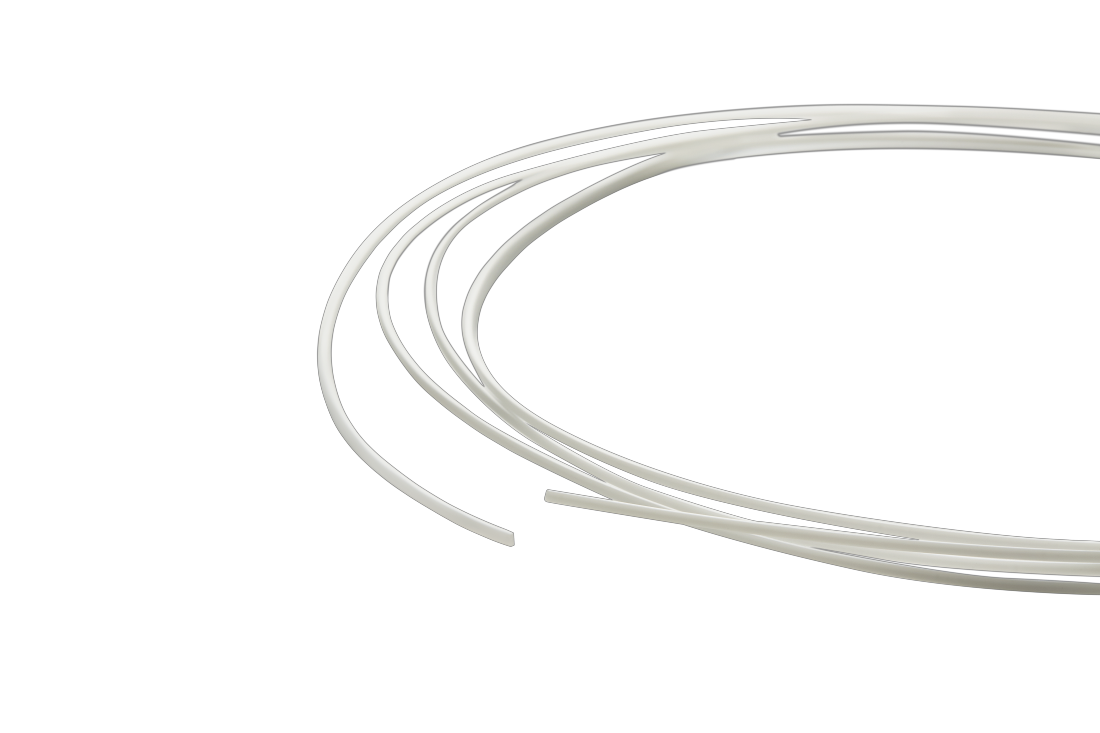
POM
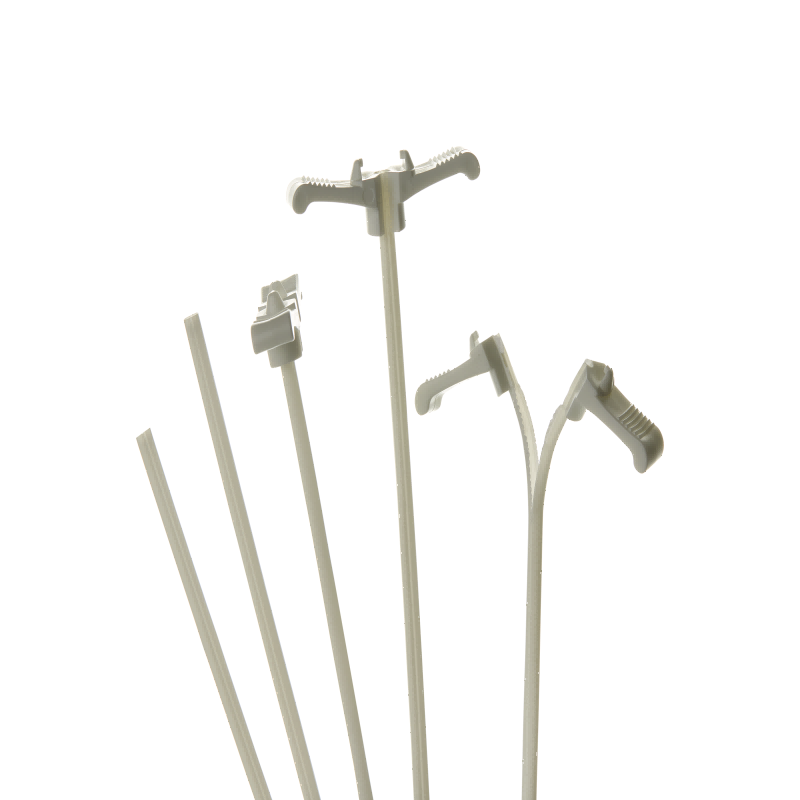
In the context of medical devices, POM tubing is frequently employed as a core wire due to its exceptional properties. Characterized by its high hardness, POM tubing serves as a robust support structure within various medical instruments and devices. Its rigidity and durability make it well-suited for this role, providing stability and reinforcement to delicate components.
Moreover, POM tubing’s super smooth surface finish facilitates seamless movement within devices, ensuring smooth operation and minimal friction. This attribute is particularly advantageous in applications where precise control and maneuverability are essential, such as catheterization procedures or endoscopic interventions.
- Density: The density of POM typically ranges from 1.41 to 1.43 g/cm³, depending on the grade and formulation. This property influences the overall weight and strength of components made from POM.
- Melting Point: POM has a relatively high melting point, typically ranging from 165 to 175°C (329 to 347°F). This characteristic ensures stability and integrity during processing and application in various environments.
- Outer Diameter (OD): The outer diameter of POM tubing ranges from 0.7mm to 3.0mm. This range allows for versatility in various medical and industrial applications, accommodating different fluid flow rates and instrumentation requirements.
- Tolerance: The tolerance for the outer diameter of POM tubing is typically ±0.03mm. This tight tolerance ensures consistency and accuracy in dimensions, crucial for maintaining the integrity and performance of the tubing in demanding environments.
| Outer Diameter | Tube Wall Thickness(mm) | ||
| Outer Diameter Specification(mm) | Outer Diameter Tolerance(mm) | Minimum Tube Wall Thickness(mm) | Tube Wall Thickness Tolerance(mm) |
| 0.5-5.0 | ±0.015 | / | / |
- Medical Devices: POM tubing is widely used in medical devices and equipment, including catheters, surgical instruments, drug delivery systems, and IV administration sets. Its biocompatibility, durability, and dimensional accuracy make it suitable for critical medical applications where precision and reliability are paramount.
- Automotive Components: POM tubing is employed in automotive applications such as fuel lines, brake systems, air conditioning systems, and fluid transfer systems. Its resistance to automotive fluids, high strength, and low friction properties make it ideal for these demanding applications.
- Electrical and Electronic Components: POM tubing is utilized in electrical and electronic components such as connectors, insulating sleeves, cable ties, and wire harnesses. Its excellent electrical insulation properties, resistance to moisture, and dimensional stability ensure reliable performance in various electronic devices.
- Consumer Goods: POM tubing is found in a wide range of consumer goods, including appliances, toys, sporting goods, and furniture components. Its toughness, impact resistance, and smooth surface finish make it suitable for applications requiring durability and aesthetics.
Related products
PTFE Liner
PTFE (polytetrafluoroethylene) is a synthetic fluoropolymer that is used as a liner in catheters due to its unique properties. PTFE has a very low coefficient of friction and is a highly durable material with excellent tensile strength. Catheter liners made of PTFE can withstand the stresses of use in medical devices and resist breaking or tearing.
PTFE is used as a liner in catheters because it provides a smooth, low-friction surface that helps reduce the risk of infection and tissue damage. They are also biocompatible so that most people won’t experience an allergic reaction or any negative response.
ETFE Tube
ETFE tubes manufactured by Demax are crafted from high-quality ethylene tetrafluoroethylene (ETFE) polymer.
This fluoropolymer material offers exceptional chemical resistance, mechanical strength, and biocompatibility, making it ideal for medical device applications.
ETFE tubes undergo precise extrusion processes to achieve consistent dimensions, smooth surfaces, and reliable performance in medical settings.
PE Tube
The PE Tube is meticulously crafted from high-quality polyethylene, a thermoplastic polymer renowned for its exceptional chemical resistance, flexibility, and biocompatibility.
The PE Tube, or Polyethylene Tube, represents a vital component in the realm of medical devices, serving as a conduit for the passage of fluids or gases within the body during various clinical procedures. Crafted from polyethylene, a resilient and biocompatible material, the PE Tube is engineered to meet the rigorous demands of medical interventions while ensuring patient safety and procedural efficacy.
PP Tube
The PP Tube is meticulously crafted from high-quality polypropylene, a thermoplastic polymer renowned for its exceptional chemical resistance, durability, and biocompatibility. This composition ensures that the tube is safe for use within the body and can withstand the rigors of medical procedures without compromising patient safety or device performance. Employing state-of-the-art manufacturing techniques, Demax ensures uniformity in dimensions and performance, producing PP Tubes that meet the highest standards of quality and reliability. With Demax’s PP Tubes, healthcare professionals can perform medical procedures with confidence, knowing that they have a dependable and effective tool at their disposal to deliver optimal patient care.