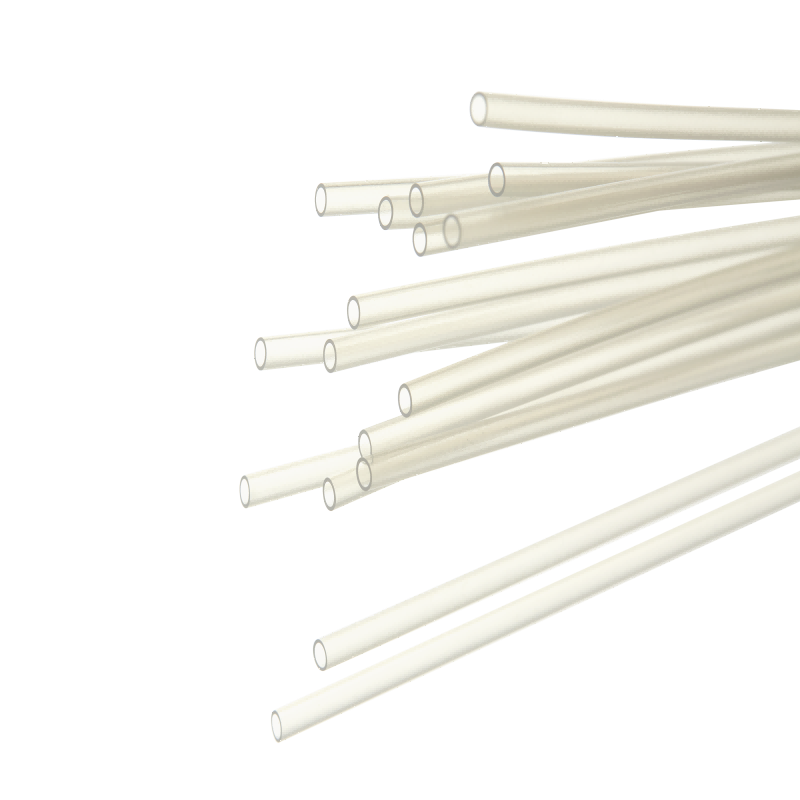
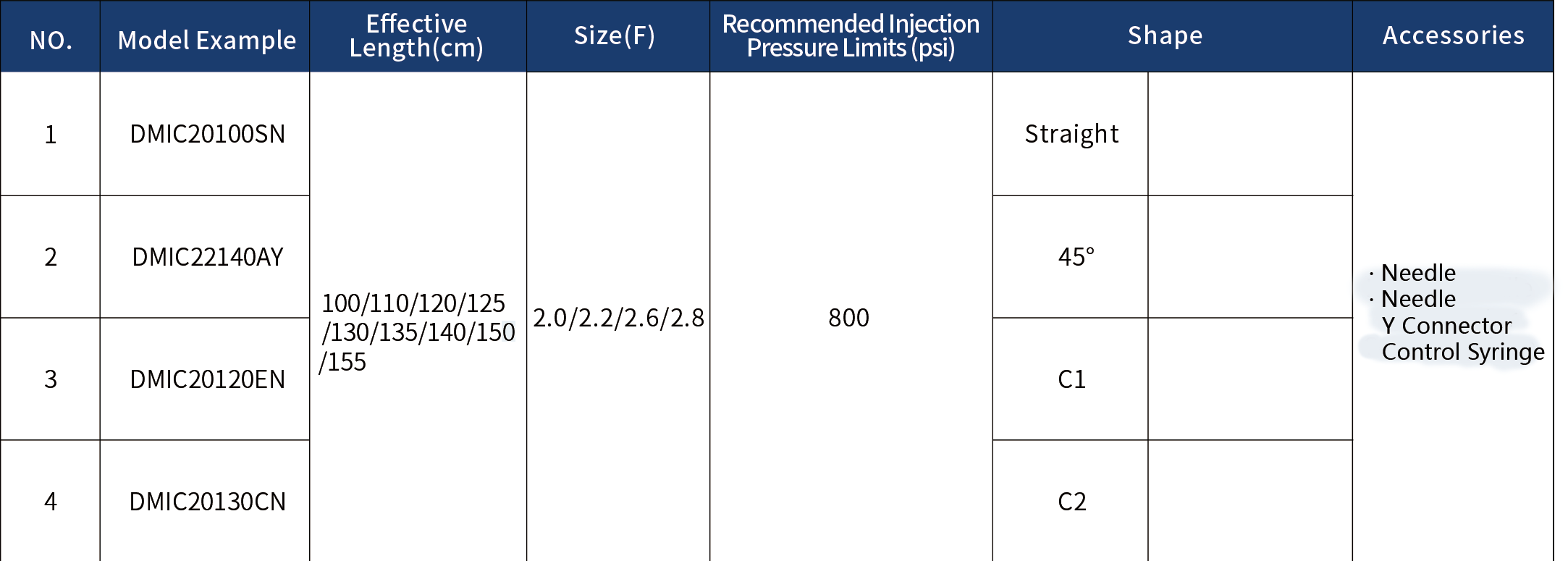
- Outer Diameter: Typically ranges from 0.5 to 3.0 millimeters, depending on the specific application and clinical need.
- Length: Variable, tailored to accommodate different procedural requirements and patient anatomies.
- Material: Constructed from biocompatible materials such as polyurethane, nylon, or PTFE (polytetrafluoroethylene), ensuring compatibility with bodily tissues and minimizing the risk of adverse reactions.
- Tip Configuration: Available in a variety of shapes, including straight, angled, and tapered tips, to facilitate navigation through tortuous vessels and challenging anatomical structures.
- Trackability: Engineered for enhanced maneuverability and trackability, enabling smooth advancement through complex vascular pathways.
- Angiography and Angioplasty: Microcatheters are commonly used in angiography and angioplasty procedures to access and treat narrow or obstructed blood vessels, such as those affected by arterial stenosis or occlusions.
- Embolization: Microcatheters facilitate the delivery of embolic agents to block blood flow to abnormal vessels or tumors, effectively treating conditions such as arteriovenous malformations (AVMs), aneurysms, and uterine fibroids.
- Thrombectomy: Microcatheters enable the mechanical or pharmacological removal of blood clots from blood vessels, restoring normal blood flow and preventing complications such as stroke or pulmonary embolism.
- Drug Delivery: Microcatheters are utilized to deliver therapeutic drugs directly to target sites within the vasculature, enabling localized treatment of conditions such as cancer, peripheral artery disease, and pulmonary hypertension.
- Vascular Access: Microcatheters provide access to the vascular system for diagnostic procedures such as angiography, intravascular ultrasound (IVUS), and fractional flow reserve (FFR) measurements, as well as for the placement of intravascular devices such as stents, balloons, and filters.
Related products

Peelable Tube
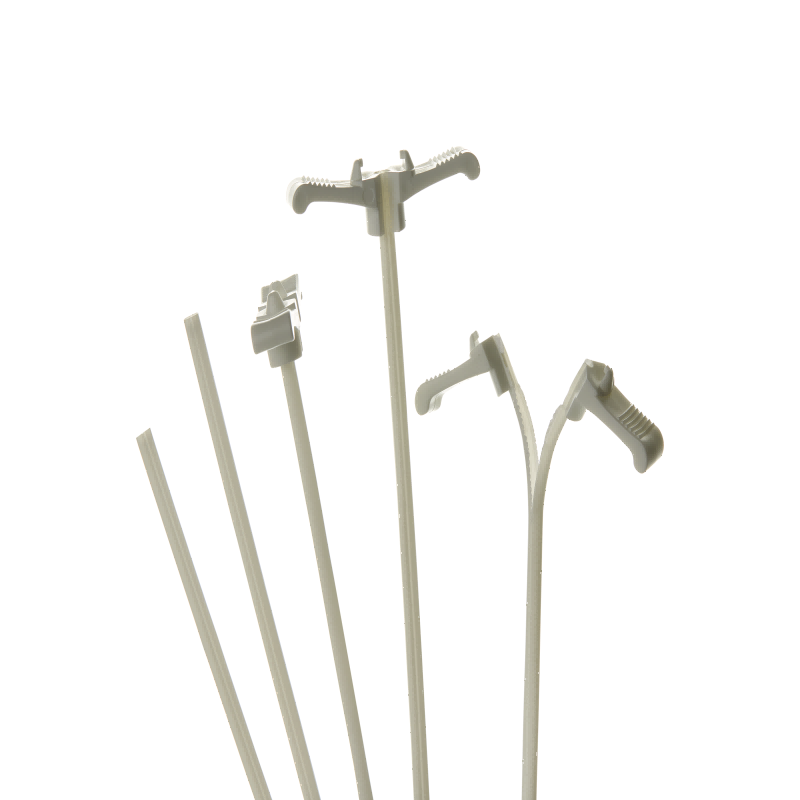
The Demax Peelable Tube is an innovative medical device designed to provide easy and controlled access to catheters and guidewires during medical procedures. Crafted with precision and utilizing advanced materials, this peelable tube offers exceptional performance and reliability, making it an indispensable tool for medical professionals in various clinical settings.

Coating
Precision Medical Tubing Services Coating from Demax involves the application of specialized coatings onto medical-grade tubing substrates to enhance their performance and functionality. These coatings may include hydrophilic coatings, hydrophobic coatings, antimicrobial coatings, drug-eluting coatings, and more, depending on the specific requirements of the medical device and application. The coating materials are carefully selected for their biocompatibility, adhesion properties, and compatibility with the substrate material to ensure optimal performance and safety. Each coating is applied using precise coating techniques to achieve uniform coverage and consistent thickness, resulting in medical tubing with enhanced lubricity, biocompatibility, and other desirable properties.

Punching
Precision Medical Tubing Services Punching from Demax involves the precise creation of perforations, holes, or patterns in medical-grade tubing using advanced punching methods and equipment. The tubing material, typically made from medical-grade polymers such as polyethylene (PE), polyurethane (PU), or silicone, is carefully selected for its biocompatibility, flexibility, and durability. During the punching process, specialized punches and dies are used to create holes of specific sizes, shapes, and configurations in the tubing, allowing for precise control over the perforation characteristics. Each punched hole is inspected and verified to ensure that it meets the required tolerances and quality standards. Demax’s expertise in precision punching ensures that punched medical tubing maintains its structural integrity, biocompatibility, and performance, meeting the demanding requirements of medical device manufacturers and healthcare professionals.
ETFE Tube
ETFE tubes manufactured by Demax are crafted from high-quality ethylene tetrafluoroethylene (ETFE) polymer.
This fluoropolymer material offers exceptional chemical resistance, mechanical strength, and biocompatibility, making it ideal for medical device applications.
ETFE tubes undergo precise extrusion processes to achieve consistent dimensions, smooth surfaces, and reliable performance in medical settings.